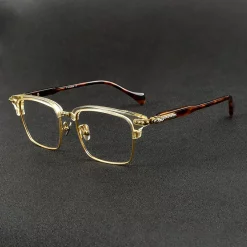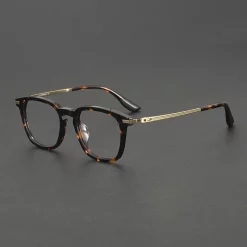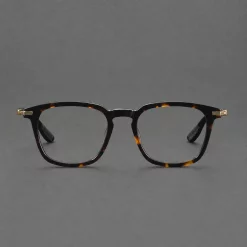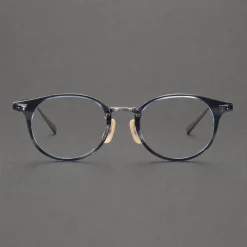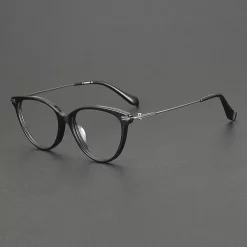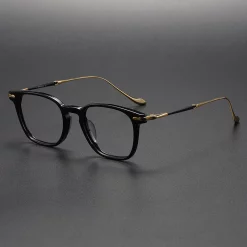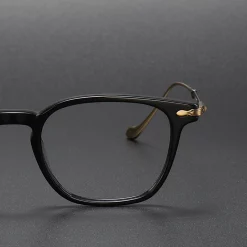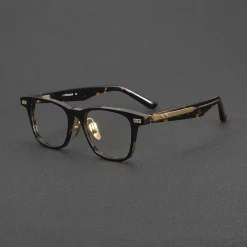
Vintage Glamour Collection
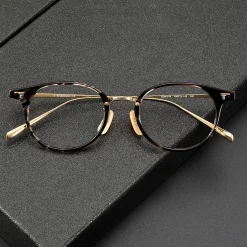
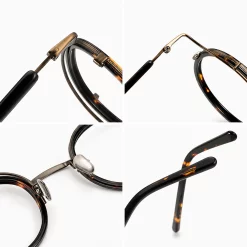
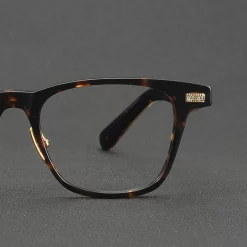
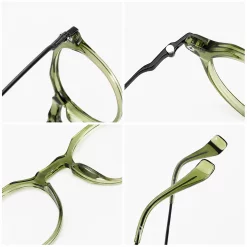
This is not “retro styling” printed onto injection-molded plastic. Every Vintage Glamour frame is cut from cellulose acetate — a plant-based material layered and cured in solid blocks, so the tortoiseshell, amber, and horn-tone patterns run through the frame, not just across its surface. Scratch a cheap plastic frame and you find grey underneath. Polish an acetate frame and you find more pattern.
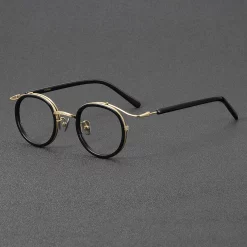
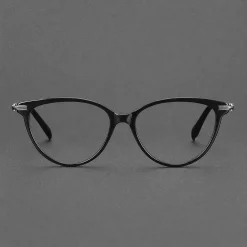
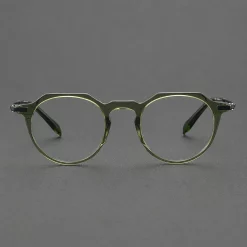
The silhouettes reference the golden decades of eyewear design: the panto rounds of the 1940s, the browline authority of the 1950s, the oversized glamour of the 1970s. These shapes have survived every trend cycle since — which is precisely why they’re the safest investment in eyewear.
How to Wear Vintage Frames Now
- Tortoiseshell is the neutral of eyewear. Its amber-and-brown depth warms up grey, navy, and monochrome wardrobes the way a leather watch strap does — it goes with everything without matching anything.
- Panto rounds soften angular, square jawlines. Browlines add structure to rounder faces. Oversized 70s shapes balance longer face proportions.
- Match hardware, not eras. Gold-tone hinge pins pair with warm-toned outfits and jewelry; keep the rest of the look modern and let the frames carry the reference.
Frequently Asked Questions
Q: What’s the difference between acetate and regular plastic frames?
A: Acetate is a plant-based material (derived from cotton and wood pulp) that is layered, cured in blocks, then cut and hand-polished — so its color and pattern run through the entire material. Regular plastic frames are injection-molded in seconds with color applied at the surface, which is why they scratch grey, feel lighter in a flimsy way, and become brittle in the cold. Acetate is more durable, holds adjustments better, and develops a deeper polish with age.
Q: How do I care for acetate frames?
A: Keep them away from sustained heat — car dashboards, radiators, and hair dryers can warp acetate over time. Clean with lukewarm water and a drop of dish soap, dry with a microfiber cloth, and store in a hard case. With basic care, an acetate frame keeps its shape and luster for many years, and its finish can even be professionally re-polished.
Q: Are vintage-style glasses still in fashion?
A: Panto rounds, browlines, and tortoiseshell frames have remained in continuous production since the 1940s–50s — they’re the closest thing eyewear has to a permanent classic. Trends cycle around them; they don’t cycle out. If you want a frame you won’t second-guess in three years, this is the category to buy from.